Expert Janitorial Services Ontario
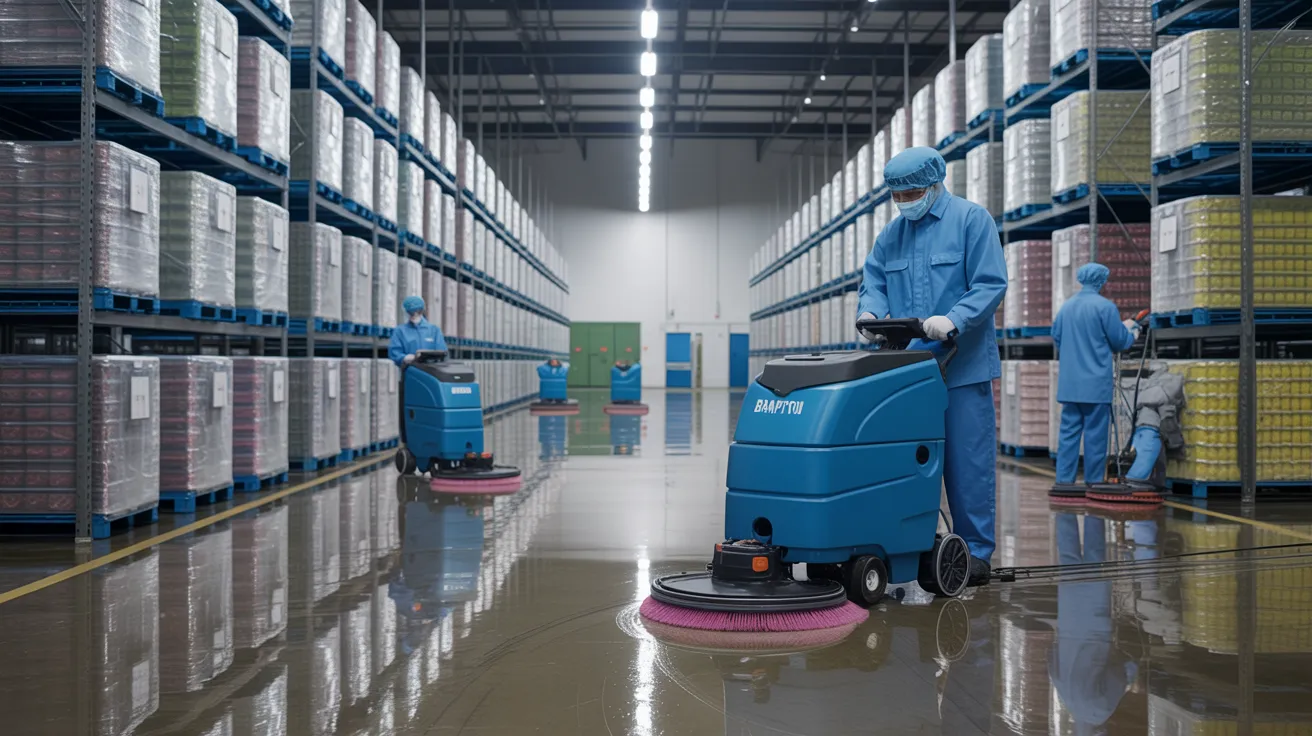
Professional food safety experts located in Brampton ensure food service establishments, commissaries, bakeries, warehouses, and food service vehicles to sanitation standards. They disinfect high-touch surfaces, food-contact areas, equipment, floors, drains, restrooms, and preparation zones with certified chemicals, at proper strength, and using documented contact periods.
Essential Summary
- Brampton food safety cleaning experts assist restaurants, grocery departments, commissaries, warehouses, bakeries, schools, mobile vendors, and allergen-sensitive operations.
- Frequently contacted areas, food-contact equipment, kitchens, floors, drains, restrooms, and storage areas are sanitized using compartmentalized approaches to avoid cross-contamination.
- Approved sanitizer dilution, appropriateness, and exposure duration are checked by approved vendors, with finishing filed via tests, inspections, and action records.
- Hygiene calendars should respect threat, throughput, transitions, accidents, and requirements, with daily, regular, and annual tasks assigned by location.
- Pick contractors with hazard analysis knowledge, health regulatory, expertise, safety training, instruction, protection, testimonials, color-coded equipment, and compliance-ready maintenance documentation.
Which Brampton Venues Need Food Safety Cleaning?
Any Brampton facility that manages, stores, prepares, packages, or serves food needs sanitation protocols. You must use it if your establishment falls under public health review, food rules, or HACCP systems. That requirement covers restaurants, cafeterias, commissaries, grocery food departments, butcher shops, seafood counters, convenience stores, and institutional kitchens.
Compliant food safety cleaning is additionally required in storage warehouses, production plants, freezer facilities, bakeries, school nutrition services, reception halls, and meal delivery centers. Temporary and mobile businesses matter too, like food trucks, event vendors, and temporary stalls. Your location requires established hygiene procedures when your employees work with ingredients, section finished dishes, heat items, or keep allergens organized. In Brampton, cleanliness continues to be not optional; it constitutes lawful, operational, and customer protection adherence.
Which Areas Do Brampton Cleaning Experts Cover?
You need professional cleaners who disinfect frequently contacted areas, kitchen areas, floor surfaces, and bathrooms to comply with food safety and health regulations. They focus on these spaces because they present the highest risk for contamination spread, slipping risks, and sanitation breaches.
Understanding their cleaning procedures enables you to validate your facility's cleaning meets required standards and regulations.
Important High-Touch Surface Cleaning
Skilled Brampton cleaners appreciate that high-touch surfaces require cleaning since these areas harbor bacteria, viruses, and food residue. You require a written protocol for cleaning all high-touch items including handles, plates, switches, railings, control surfaces, POS systems, and refrigeration equipment. Using area assessment techniques, experts locate every commonly touched surface and determine cleaning schedule
by swapping cloths, maintaining sequential workflows, and separating cleaning tools organized according to section
Food Prep Areas, Flooring, and Sanitary Facilities
Professional cleaners in Brampton concentrate on kitchens, floors, and restrooms given that each location involves specific contamination control, slip-and-fall, and health code requirements. In industrial kitchens, you need grease removal from cooking stations, appliance surfaces, drain systems, preparation areas, and backsplashes to minimize bacterial growth and pest activity.
Floor care that is documented should equally be anticipated. Technicians scrub and extract buildup from grout, tile, and vinyl flooring, then apply suitable dehydration methods so you can reduce slip incidents and meet regulatory standards. They also handle entryways where moisture and debris migrate indoors.
For restroom sanitation, cleaners sanitize high-touch surfaces, bathroom fixtures, stall dividers, supply dispensers, and trash receptacles, then replenish amenities and manage odor. They also service restaurant moprooms, where chemical storage, sink hygiene, and drainage conditions can affect sanitation compliance and staff safety daily.
Food Safety Cleaning Significance for Brampton Businesses
Brampton businesses need to establish proper sanitation practices for meeting health code requirements and passing inspections. You also minimize bacterial spread through proper cleaning of food-preparation surfaces, appliances, and frequently-touched items. Most importantly, you safeguard community wellness by reducing the chance of food poisoning in your establishment.
Regulatory Code Requirements
Since Brampton food companies must follow strict public health standards, your food safety cleaning directly influences your competence to adhere to health codes, protect diners, and eliminate regulatory penalties. You must maintain hygienic food handling zones, recorded sanitation plans, correct sanitizer application, and auditable operational standards that align with municipal and provincial inspection expectations.
Robust cleaning records enable you to demonstrate due diligence during inspection audits and confirm your operations remain reliable, replicable, and overseen. Proper hygiene practices moreover promotes allergen reduction by reducing contaminants on common tools and commonly contacted zones.
Cross-Contamination Prevention
Adhering to regulatory guidelines requires your skill in preventing cross-contamination throughout daily food handling and cleaning. You need to isolate uncooked items from finished products, sanitize work stations after each task, and store cleaning supplies separately from food. Organized systems minimize contamination events and ensure consistent compliance during inspections.
You might establish allergen separation to stop main allergens from reaching shared surfaces, containers, or equipment. Use dedicated cutting boards, color-coded tools, content and strict utensil labeling so team members avoid blending products during preparation or service. Mandate handwashing after handling raw meat, seafood, eggs, or allergen-containing products. Swap cleaning rags frequently, and check sanitizer strength with test strips. When employees learn these procedures every shift, you create a cleaner, safer operation that matches Brampton's safety requirements every day.
Public Health Protection
If food safety cleaning deteriorates, you don't merely face potential inspection issues—you boost the probability of foodborne illness harming customers, staff, and the broader Brampton area. You also undermine your responsibility in safeguarding community wellness, especially in busy food facilities where contamination can spread quickly through surfaces, equipment, and touchpoints.
You must implement sanitation protocols that eliminate contaminants, properly disinfect, and verify results. This entails adhering to exposure times, utilizing authorized sanitizers, maintaining records, and training employees to fulfill compliance standards. These actions support disease prevention by reducing microbes before contaminating food or hands. In Brampton, effective cleaning protects at-risk groups, minimizes disease spread, and demonstrates accountability. When you maintain standards, you exceed requirements—you substantially reduce risk and advance safer food handling across the region.
How Can Cleaning Practices Ensure Food Safety Compliance?
Upholding thorough cleaning protocols backs food safety compliance by reducing contamination risks, controlling pathogen growth, and maintaining your facility's adherence to sanitation requirements under HACCP-based programs and public health regulations. You ensure that food-contact surfaces are visibly clean and microbiologically controlled, supporting documented preventive controls and inspection readiness.
Cleaning initiatives additionally fortify allergen management by eliminating residues that can cause undeclared allergen exposure.
When Ought You Schedule Commercial Cleaning?
maintenance activities.
Seasonal deep cleaning ought to be scheduled during shutdowns, weather-related soil buildup, or pest-pressure periods
How Do You Choose Brampton Cleaning Experts?
Evaluate providers first by sanitation compliance standards rather than price alone. You must ensure each provider understands CFIA, public health, and HACCP requirements for your business. Request insurance proof, WHMIS compliance, staff training documentation, and supervision methods. Check technician understanding of contamination prevention, chemical handling, and traceable sanitation records.
You must also evaluate operational reliability and oversight. Seek references from food facilities in Brampton, then assess response speed, corrective-action procedures, and communication standards. Ensure the company enables supplier checks and can provide inspection-ready documentation when authorities or third parties demand verification. Verify equipment care, color-coded items are deployed correctly, and operational-specific risks are understood. A qualified provider safeguards compliance, product safety, and your market standing.
What does a Food Safety Cleaning Plan consist of?
Create a documented strategy that makes clear every sanitation responsibility, standard, and task before production begins. You should detail cleaning frequencies, approved chemicals, dilution rates, contact times, tools, and verification methods for each zone, surface, and piece of equipment. Include pre-operational inspections, corrective actions, and employee training requirements.
Your strategy should also tackle prevention of contamination, waste management, pest-control tactics, and scheduled records for facilities, drains, flooring, and food-preparation surfaces. Outline how you'll distinguish between uncooked and prepared items, support ingredient tracking, and keep accurate allergen labeling through validated cleaning between product changes. You should assign accountability, document signed records, and assess results against regulatory standards, HACCP controls, and customer requirements. When gaps appear, update procedures immediately and retrain staff.
Popular Inquired Inquiries
Can sanitation providers support nighttime operations in Brampton facilities?
If you manage regulated spaces, you'll also require records that enable inspections and ensure compliance.
Do Brampton cleaning experts provide hazard containment solutions?
Yes, you can locate several Brampton sanitation experts offering emergency response options. They manage hazardous materials, evaluate risks, contain affected areas, and perform swift decontamination to minimize risk and prevent disruption. You should verify response times, certifications, protocols, and disposal methods. If your facility needs compliance, choose a service that logs events, follows procedures, and ensures verification.
Do eco-friendly disinfectants operate safely on surfaces contacting food?
Absolutely, green disinfectants prove to be secure for surfaces contacting food when you choose items marked food-safe and complying with regulations. You must check exposure duration, concentration levels, and rinsing needs ahead of deployment. Plant based formulas lower chemical hazards, though you still need demonstration of efficacy against relevant pathogens. For preserving residue-free areas, follow manufacturer directions precisely and validate the sanitizer satisfies food industry regulations.
Do sanitation programs permit seasonal variations?
Without question, cleaning plans adjust easily for seasonal production changes. Adapt timing, labor allocation, chemicals, and verification steps to correspond to operational cycles while maintaining regulatory requirements. Minimize production interruptions by organizing disinfection surrounding changeovers, peak seasons, and usage patterns. Further modify standard operating procedures, staff education, and monitoring protocols to address periodic risks, additional allergens, or increased soiling. Consistent reviews ensure the program functional.
Will commercial cleaners teach your staff on hygiene best practices?
Certainly, commercial cleaners coach your employees on sanitation best practices. You secure staff training on proper chemical use, processing times, contamination control, equipment disassembly, and documentation. They generally coordinate coaching with HACCP, GMP, and CFIA or regional health bodies standards. Many execute health assessments to verify compliance, identify gaps, and strengthen corrective measures. This helps you maintain consistent procedures, pass inspections, and reduce food safety risks every day.
Summary
Through working with Brampton commercial cleaning and food safety specialists, you accomplish much beyond organizing—you keep your operation prepared for inspections and your procedures stay aligned with regulations. From production floors to kitchens, all maintained surfaces and kept corners reduce contamination risks and avoid major losses. Through scheduling maintenance at proper intervals and sticking to a solid cleaning plan, you ensure protection for employees, clients, and your good name. Within strict regulatory frameworks, clean conditions cannot be considered optional—they represent good business practice.